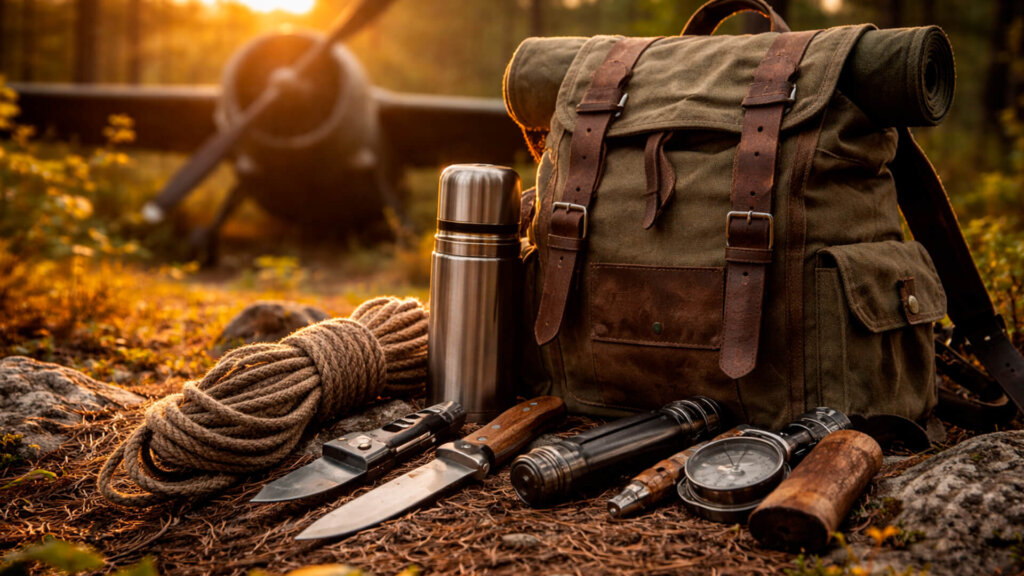
Why One Day a Week Changes Everything
Most preppers spend money on gear and almost no time on skills. That’s backwards. A $40 fire kit does nothing for you if you’ve never actually started a fire in the rain. A stockpile of canned food means less if you don’t know how to safely rotate it or cook without electricity.
Dedicating one consistent day — even just 30 to 60 minutes — to sharpening a specific survival skill will outperform any gear purchase you make this year. Friday is ideal. The week is winding down, the weekend is ahead, and you often have outdoor time available. Call it your weekly prep drill.
Here’s how to build that habit and what to actually work on.
The Weekly Drill Framework
Structure keeps you from doing the same comfortable skill over and over. Rotate through four core categories on a four-week cycle:
- Week 1 – Fire and Energy
- Week 2 – Navigation and Comms
- Week 3 – Food and Water
- Week 4 – Tools and Equipment Maintenance
After one month, you’ve touched every critical category. After three months, you’ve run each drill multiple times under slightly different conditions. That repetition is where real competence lives.
Week 1: Fire and Energy Drills
Go Beyond the Lighter
Your Friday fire drill shouldn’t just be “light a fire.” Push the variables. Start with wet tinder. Start in wind. Start using only a ferro rod — no lighter backup. Time yourself from spark to sustainable flame.
A realistic benchmark: under 5 minutes in decent conditions, under 10 in adverse ones. If you’re not hitting that, you need more reps, not better gear.
Energy Audit
Once a month during your Week 1 drill, do a quick audit of your energy dependencies. Check battery banks — are they charged? Test your solar panel output. Cycle through your flashlights and headlamps. Replace anything that’s marginal now, not during a blackout.
Week 2: Navigation and Communications
Ditch the Phone for an Hour
Pull out a paper topo map of your local area and a baseplate compass. Pick a landmark — a trailhead, a water tower, a specific road intersection — and plot a route to it using terrain association, not turn-by-turn directions. Walk or drive it. See how accurate your dead reckoning is.
This feels awkward the first few times. That’s the point. Navigation with a map and compass is a perishable skill, and it degrades fast if you let GPS do all the thinking.
Radio Check
If you have a GMRS, ham, or weather radio setup, Friday is the day to run a comms check. Confirm you can reach your out-of-area contact. Verify your weather alert radio is functioning. If you’re licensed for ham, log onto a local net. Five minutes of actual radio use beats hours of reading about it.
Week 3: Food and Water
Cook One Meal Without Modern Conveniences
Pick something from your actual food storage — not a freeze-dried pouch, but something you’d realistically eat during a two-week disruption — and cook it using only your camp stove, rocket stove, or open fire. This exposes gaps fast. You’ll discover you forgot a pot lid, or that your propane canister is nearly empty, or that you have no idea how long rice takes to cook on a Kelly Kettle.
These are cheap lessons to learn on a calm Friday evening. They’re expensive lessons during a real event.
Water Treatment Practice
If you have a gravity filter, run a batch through it. If you have water purification tablets, make sure they’re in date. Practice sourcing water from a non-tap source — a rain barrel, a stream on your property, or even a bucket you fill from a garden hose — and treating it through your chosen method. The act of doing it builds procedural memory.
Week 4: Tools and Equipment Maintenance
Sharpen, Clean, and Inspect
A dull knife is a dangerous knife. A firearm that hasn’t been cleaned in a year is an uncertain one. Week 4 is your maintenance window. Sharpen your fixed blade and folder. Clean and function-check your defensive tools. Inspect your bug-out bag — not just glance at it, but actually pull everything out, check expiration dates, test gear, and repack deliberately.
This is also when you evaluate older equipment. Many preppers accumulate antique or vintage tools — axes, hand saws, older long guns — and these deserve the same scrutiny as modern kit. An older tool that’s been properly maintained and vetted can be incredibly reliable. One that hasn’t been inspected in years is a liability.
Know What You Own
This is underrated: read the manual, or find documentation, for anything in your kit you’re not 100% confident using. A tool you can’t operate under stress is just dead weight in your pack.
Building the Habit: Practical Tips
The biggest obstacle isn’t motivation — it’s friction. Here’s how to reduce it:
- Calendar block it. Put a recurring Friday reminder on your phone right now. Even 30 minutes counts.
- Keep a drill log. A simple notebook or notes app entry — date, skill practiced, result, what to improve — compounds over time into a personal training record.
- Involve your household. Kids who learn to filter water or use a compass on Friday evenings become genuinely capable adults. This isn’t fear-based training; it’s confidence building.
- Simulate stress. Do drills after a long work day, or in cold weather, or at night. Comfortable practice produces comfortable performance — which often isn’t good enough when it matters.
- Rotate partners. Drill with a neighbor or like-minded friend once a month. Teaching a skill to someone else cements your own understanding faster than any solo drill.
The Mindset Shift: Skills Are Your Most Portable Asset
Gear can be lost, stolen, broken, or left behind. Skills go wherever you go. A person who can start a fire reliably, navigate without GPS, treat water from any source, and maintain their equipment is genuinely more prepared than someone with a $10,000 bunker full of untouched supplies.
The weekly drill habit also gives you something that no amount of gear shopping provides: earned confidence. Not the kind that comes from watching videos or reading forums, but the kind that comes from having actually done the thing, repeatedly, in real conditions.
Start this Friday. Pick one skill from the framework above, spend 45 minutes on it, and write down what you learned. That single entry is the beginning of something genuinely useful.
Quick-Reference: Friday Drill Rotation
- Week 1: Fire starting under adverse conditions + energy system audit
- Week 2: Map and compass navigation + radio/comms check
- Week 3: Cook from storage without modern appliances + water treatment practice
- Week 4: Sharpen and clean tools + full kit inspection and repack
Repeat the cycle. Raise the difficulty each month. Track your progress. That’s it — that’s the whole system. Simple, consistent, effective.